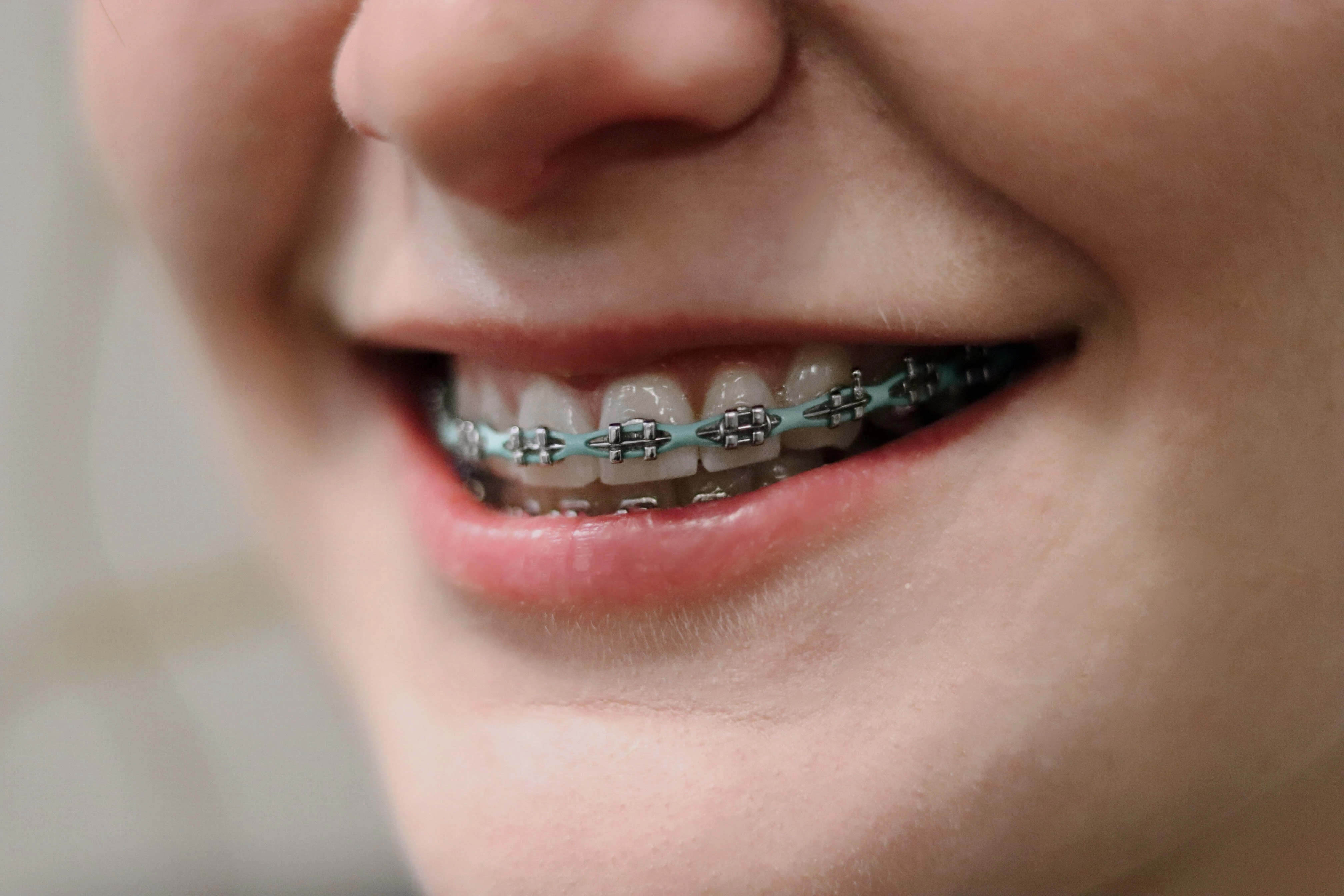
A Guide to Orthodontics: Braces, Aligners, and Straight Teeth
A straight smile is about more than just looking good in photos. It is the foundation of a healthy mouth, a comfortable bite, and confidence that lasts a lifetime.
At Blue Ridge Family Dentistry here in Maryville, Tennessee, we believe that orthodontic care is a journey we take together. Whether you are a parent wondering if your nine-year-old needs braces, or an adult finally ready to get the smile you’ve always wanted, this guide covers everything you need to know.
From understanding how teeth grow to choosing between Invisalign, traditional braces, or our specialized hybrid options, we are here to walk you through every step of the process.
The Biology of a Smile: Understanding Tooth Eruption
Before we talk about moving teeth, it helps to understand how they get there in the first place. Orthodontics isn't just about "crooked teeth"; it is about managing the complex timeline of tooth eruption.
Primary vs. Permanent Teeth
Most children have a full set of 20 baby (primary) teeth by age three. These teeth act as placeholders and guides for the permanent teeth developing under the gums. Around age 6, the first permanent molars erupt behind the baby teeth, and the front bottom teeth begin to loosen.
This transition period—where a child has a mix of baby and adult teeth—is called the mixed dentition stage. This is the critical window where orthodontic problems often reveal themselves.
The Eruption Sequence
Teeth generally erupt in a specific order. If a baby tooth comes out too early (due to decay or an accident), the surrounding teeth may drift into the empty space. This blocks the permanent tooth underneath, forcing it to come in crooked or become impacted (stuck in the bone).
- Pro Tip: You can view a detailed Tooth Eruption Chart from the American Dental Association (ADA) to see if your child is on track.
Phase 1 Orthodontics: Early Intervention (Ages 7–10)
Many parents are surprised when we recommend an orthodontic evaluation as early as age seven. You might ask, "Why start now? They still have baby teeth!" This is called Phase 1 Orthodontics, or interceptive treatment. The goal isn't to make the teeth perfectly straight yet—it is to fix the structure of the jaw to make room for the permanent teeth that are coming later. Think of it as preparing the construction site before building the house.
Why Do We Do Phase 1?
If a child’s jaw is too narrow or if the upper and lower jaws aren't growing at the same speed, waiting until age 12 or 13 to treat it can make things much harder. By intervening early, we can use the child's natural growth spurts to:
- Widen the upper jaw to prevent crossbites.
- Create space for crowded teeth to erupt naturally.
- Reduce the need for tooth extractions later.
- Correct harmful habits like thumb sucking or tongue thrusting.
Common Phase 1 Appliances
Space Maintainers
If a baby tooth is lost prematurely, we must hold that spot open. A space maintainer is a custom-made appliance that keeps the adjacent teeth from drifting into the gap.
-
Fixed Space Maintainers: These are cemented onto the tooth and are generally used for younger children who might lose a removable device. The most common is the "band-and-loop."
-
Removable Space Maintainers: These look like retainers and are used for older children who can be trusted to wear them.
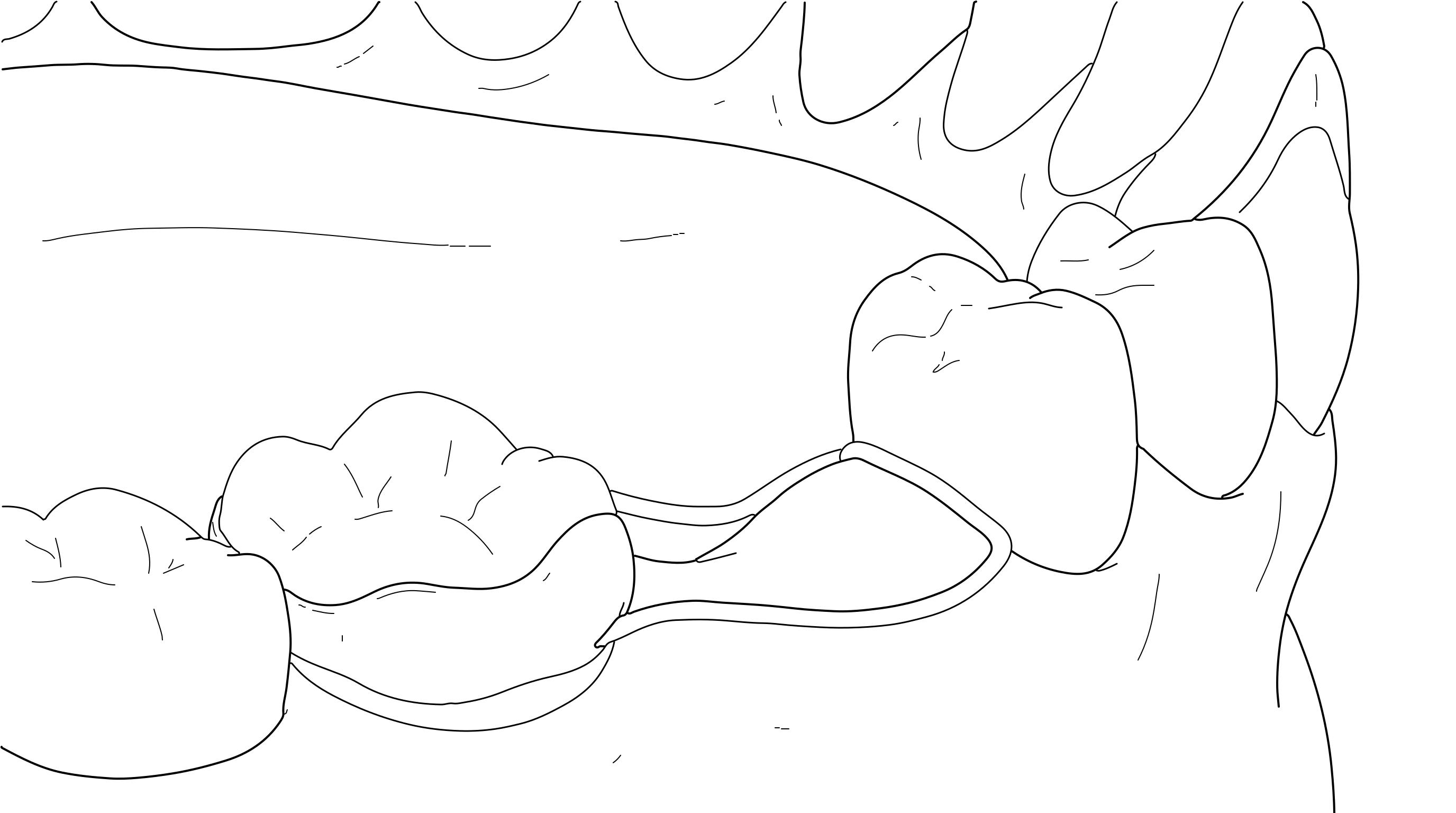 Fixed Space Maintainer
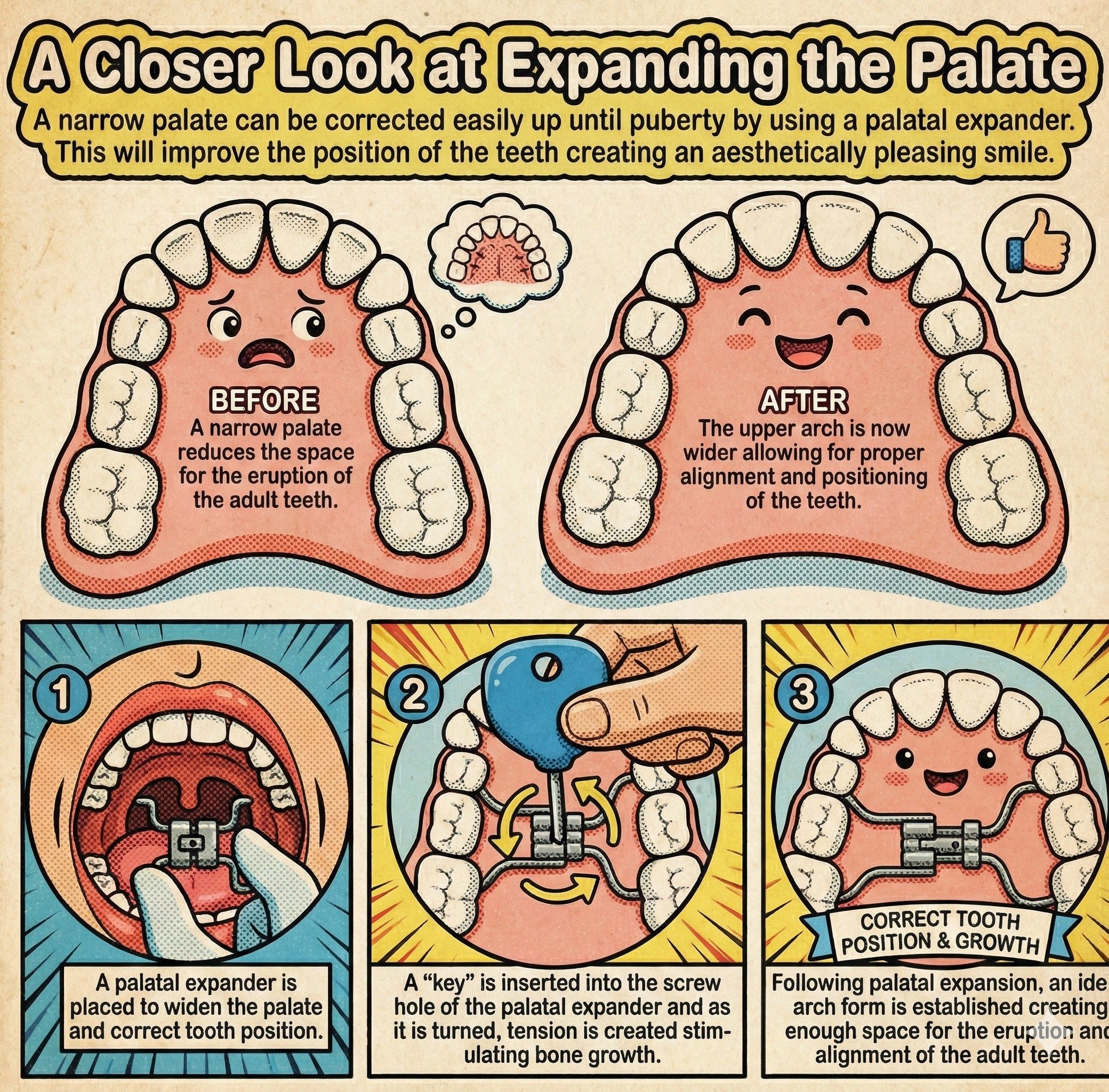
Palatal Expanders
If the upper jaw is too narrow, we may use an expander. This device sits in the roof of the mouth and is slowly widened with a key. It gently pushes the two halves of the upper jaw apart (which hasn't fused yet in children), creating new bone and width.
Guiding Growth: The Role of Orthodontic Headgear
While often associated with braces, orthodontic headgear serves a distinct and powerful purpose: it doesn't just move teeth; it guides the growth of the jaw bones themselves. This appliance is an orthopedic tool used primarily for children and adolescents whose jaw bones are still developing, allowing us to correct skeletal imbalances before they become permanent. Headgear is specifically designed to address discrepancies in the maxilla (upper jaw), providing a non-surgical solution for two distinct growth issues:
-
Correcting Upper Jaw Insufficiency (Underbite): When the upper jaw is not growing forward fast enough to match the lower jaw, we use Reverse-Pull Headgear (or Facemask). This device gently pulls the upper jaw forward, encouraging growth to catch up with the lower jaw and creating a balanced profile.
-
Correcting Upper Jaw Overgrowth (Overjet): When the upper jaw grows too far forward relative to the lower jaw, we use Retraction Headgear. This applies gentle pressure to restrict or redirect the forward growth of the upper jaw, allowing the lower jaw to naturally catch up.
The Power of Removability One of the greatest advantages of modern headgear is that it is fully removable. It is typically worn only in the evenings and while sleeping, meaning it does not interfere with school, sports, or social activities. However, because it is removable, its success is a team effort—consistent wear time is the key to achieving the desired skeletal correction and avoiding the need for jaw surgery later in life.
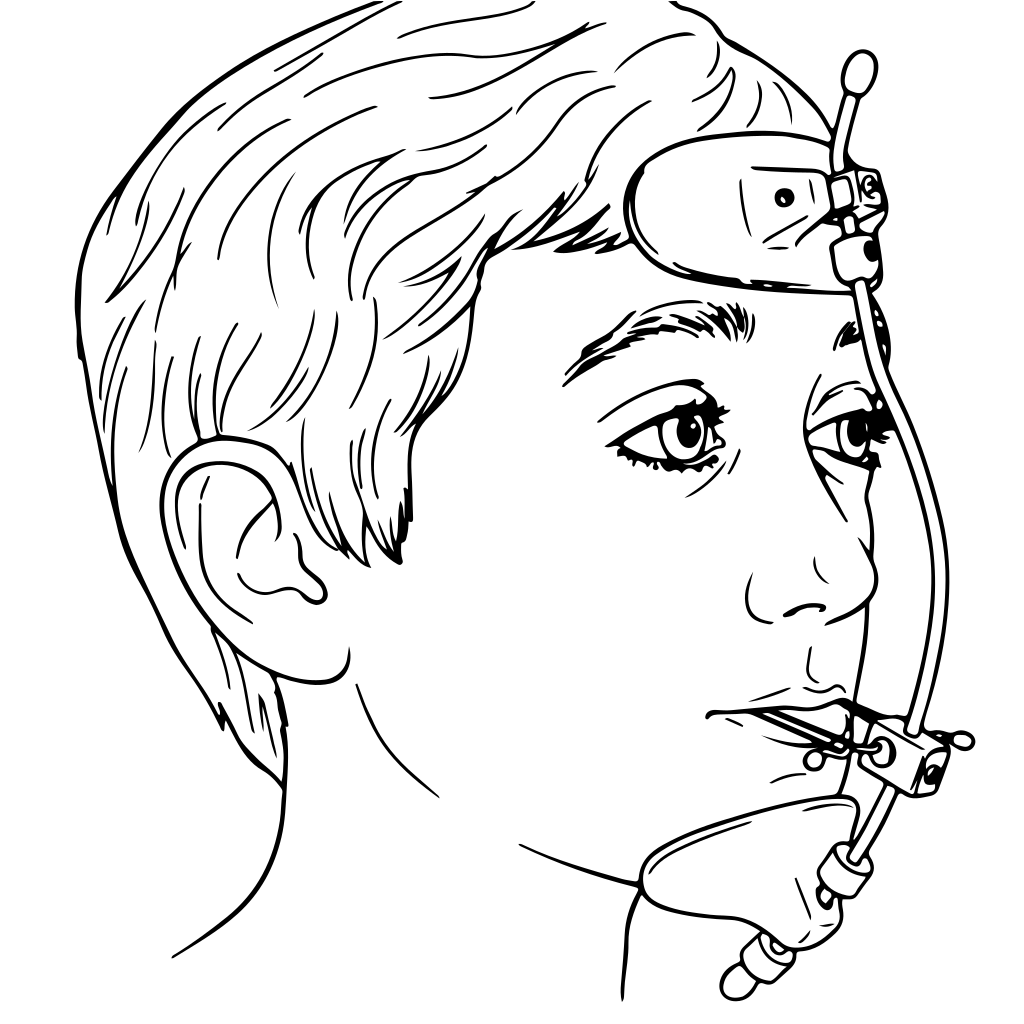 Example Headgear
Phase 2 Orthodontics: The Main Event (Ages 11+)
Once all the permanent teeth have erupted, usually around age 11 to 13, we begin Phase 2 Orthodontics. This is what most people think of when they hear "braces."
The goal of Phase 2 is to position every tooth for maximum aesthetics, function, and stability. At Blue Ridge Family Dentistry, we offer three main paths to get there.
1. Traditional Braces Metal braces are the gold standard for moving teeth efficiently. They consist of high-grade stainless steel brackets glued to each tooth, connected by a flexible wire.
- Pros: Extremely effective for complex issues; you can't lose them; generally the most affordable option.
- Cons: Highly visible; harder to floss; dietary restrictions (no sticky/crunchy foods). 2. Clear Aligners (for example Invisalign®) Aligners uses a series of clear, removable plastic trays to gently push teeth into place. You wear each set for about two weeks before switching to the next.
- Pros: Almost invisible; removable for eating and photos; no food restrictions; easier hygiene.
- Cons: Requires high discipline (must wear 22+ hours/day); can be lost; may not be suitable for complex vertical movements.
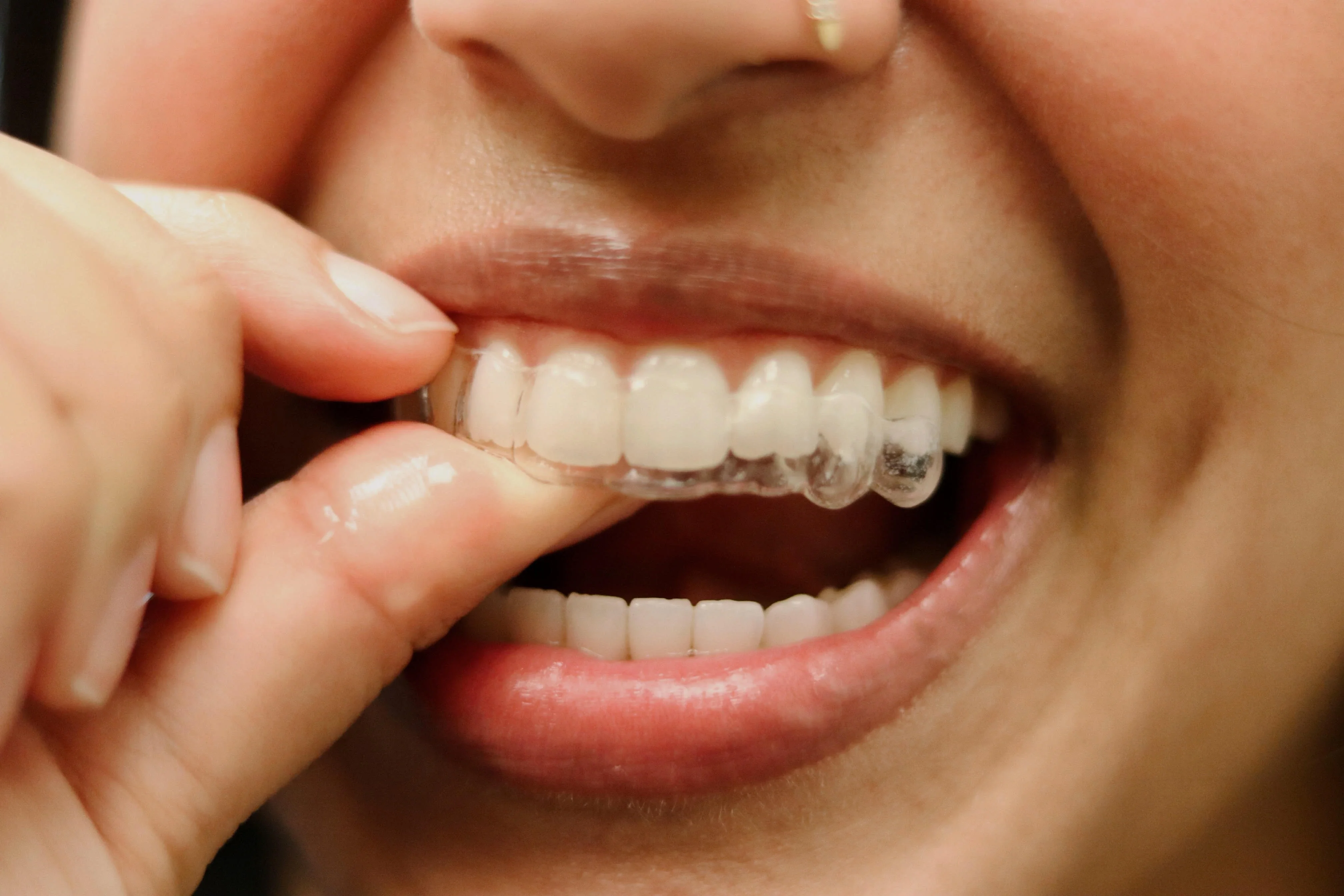
3. The Hybrid Approach: Braces + Aligners This is a specialized service we are proud to offer. Sometimes, you need the heavy lifting power of braces but want the look of aligners. How it works: We may place traditional braces on for a shorter period of time to handle the complex "mechanics"—like rotating a stubborn tooth or fixing a deep bite. We then move to clear aligners to complete treatment.
- Why choose Hybrid? It gives you the speed and precision of braces for the hard work, but allows for shorter treatment with braces before moving to a clear & aesthetic option for treatment completion. It is truly the best of both worlds.
The Orthodontic Process: Step-by-Step
Knowing what to expect can take the anxiety out of the appointment. Here is the typical workflow at our Maryville office.
Step 1: The Records Appointment
We take digital X-rays, photos of your face and teeth, and digital scans (no more goopy impressions!). We use this data to build a custom treatment plan.
Step 2: Spacers (Separators)
About a week before you get your braces or appliances, we may place spacers.
- What are they? Tiny blue rubber bands placed between your back molars.
- What do they do? They gently push the molars apart to create a tiny gap. This gap allows us to slide a metal band around the tooth during your next visit.
- What to expect: They can feel like a piece of meat stuck between your teeth. They might be sore for a day or two—this is normal!
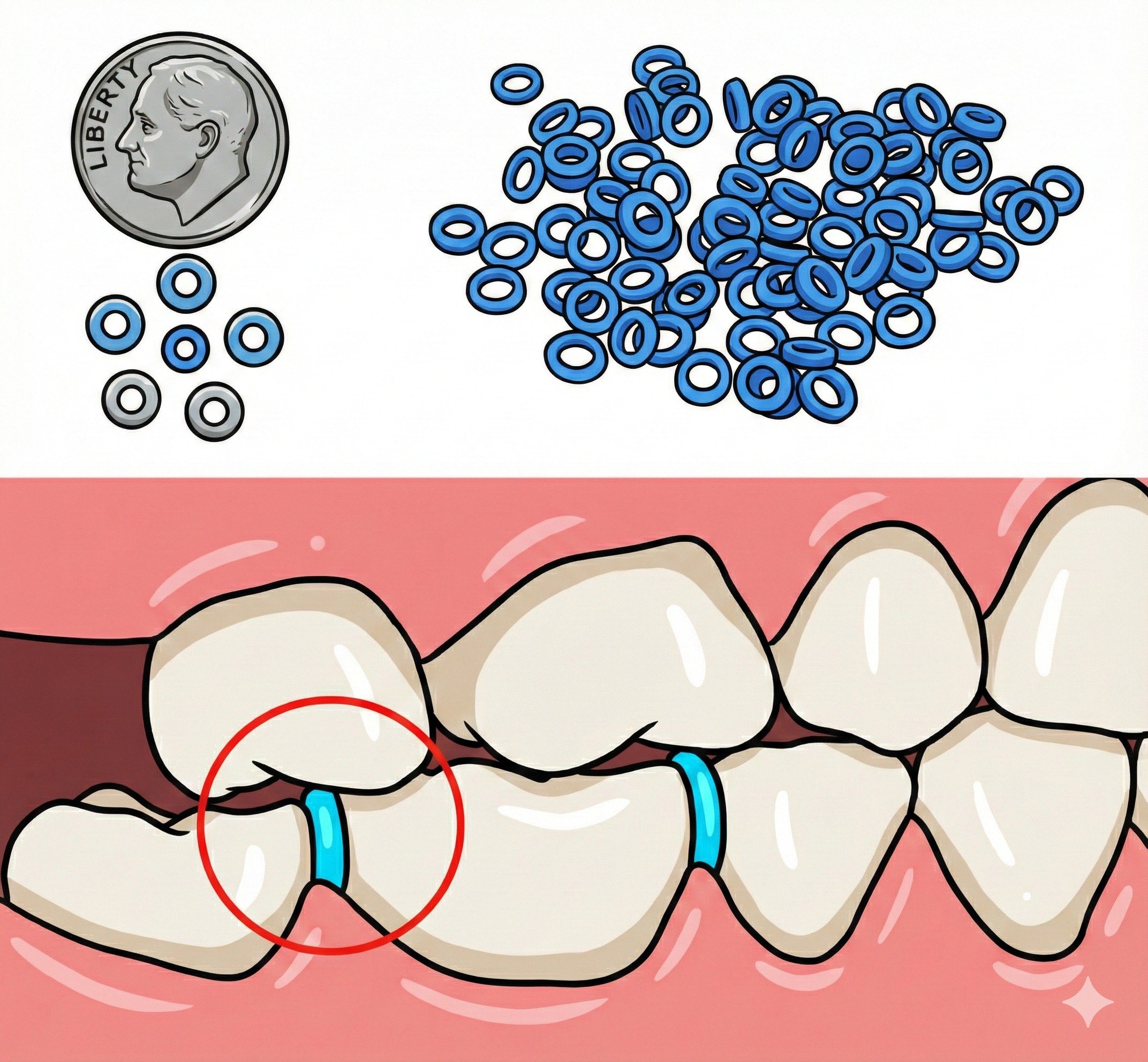 Example Spacers
Step 3: Bonding Day
This is the big day! We clean your teeth, apply a special adhesive, and place the brackets or attachments. This process is painless. However, your teeth will feel sore 4-6 hours later as they begin to move.
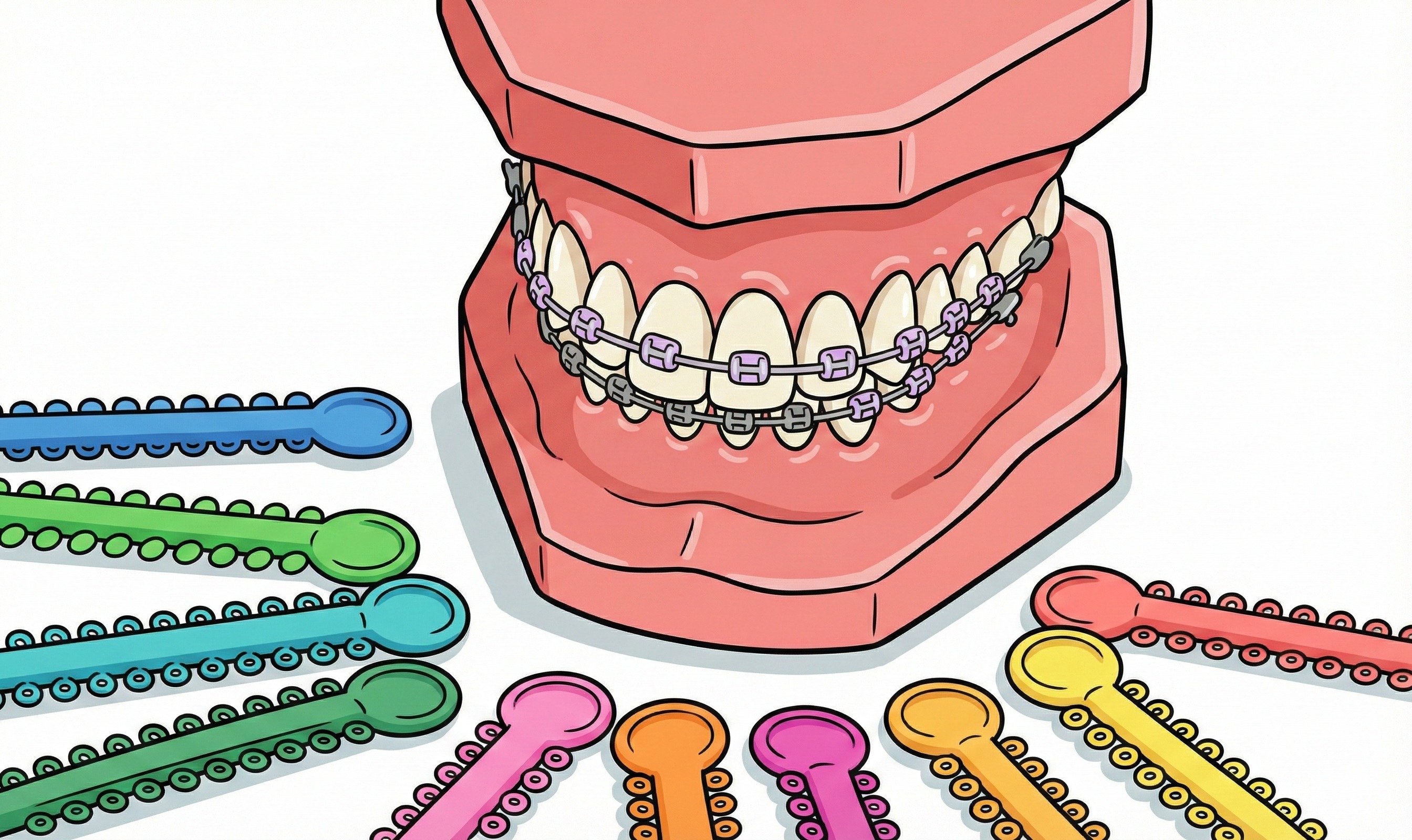 Braces Model
Step 4: Adjustments & The Tooth Eruption Process
Every 4–8 weeks, you will visit us for an adjustment. We change the wires or rubber bands to keep the pressure consistent.
- Tooth Immersion/Eruption: Sometimes, a tooth is stuck under the gum (impacted). We may need to expose the tooth and attach a gold chain to it, gently pulling it down into the arch over several months. This is a slow, careful process that saves teeth that might otherwise be lost.
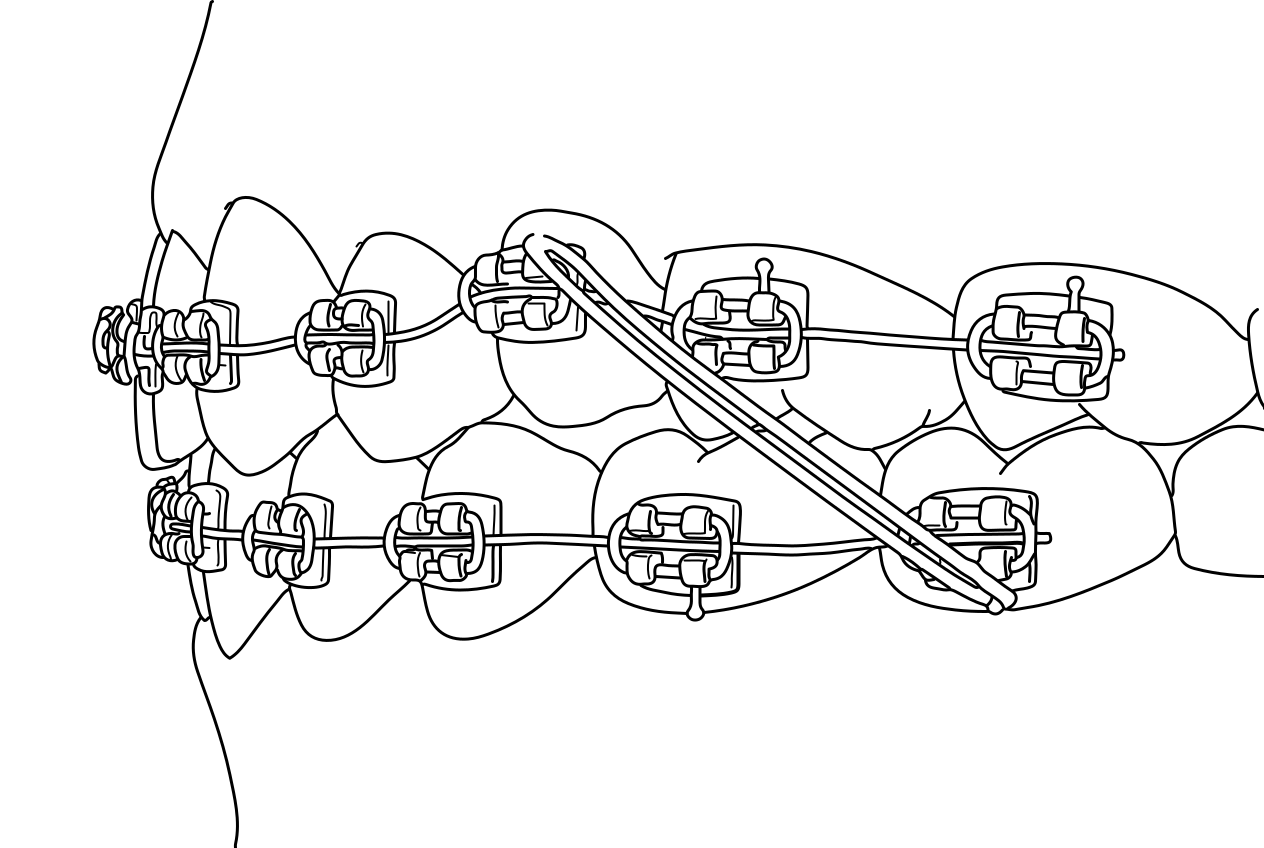 Rubber Band Example
Life with Orthodontics
Eating and Drinking
- With Braces: Avoid "bracket breakers"—popcorn, nuts, hard candy, ice, and sticky caramel. Apples must be sliced, not bitten into.
- With Aligners: You must remove your aligners to eat or drink anything other than water. Hot liquids can warp the plastic, and sugary drinks can trap acid against your teeth, causing rapid decay.
Hygiene is Critical Orthodontic appliances are magnets for food and plaque.
- Brushing: You must brush 3 times a day.
- Flossing: Flossing with braces requires a "floss threader" to get under the wire. It takes time, but it is essential to prevent "white spot lesions" (permanent scars on your teeth) when the braces come off.
- Water Flossers: We highly recommend using a water flosser to blast debris out of brackets.
Cost and Financing: Making it Affordable
We know that orthodontics is a significant investment in you and/or your family's future. We never want cost to stand in the way of a healthy smile.
Understanding the Cost
The cost of treatment varies depending on complexity and length. Phase 1 treatment is generally less expensive than full Phase 2 treatment. Doing phase 1 treatment also sets up a potential discount when reaching phase 2, since phase 1 status up for a direct phase 2. During your consultation, we will provide a clear estimate.
Insurance
Many dental insurance plans have a lifetime orthodontic benefit. Our team is expert at navigating these policies. We will verify your benefits and file all claims for you to ensure you maximize your coverage.
CareCredit: 24 Months "Same as Cash"
We are proud partners with CareCredit, the nation’s leading patient financing program.
- The Offer: We offer a 24-month No Interest plan if paid in full.
- How it works: This allows you to spread the total cost of braces or Invisalign over two years without paying a dime in interest. It breaks a large investment down into manageable monthly payments.
- Application: Application is easy and can be done online or right here in our office.
*Clicking this link will open the secure application on the CareCredit website.
Frequently Asked Questions
Q: Do braces hurt? A: The application doesn't hurt. You will feel soreness for 3-5 days after appointments. Over-the-counter pain relievers and a soft diet (macaroni, soup, yogurt) help significantly.
Q: How long will I wear them? A: The average treatment time is 18–24 months. However, simple cases can take 6 months, and complex surgical cases can take 3 years. We can give you a better estimate at your consult.
Q: What happens when they come off? A: Retention! You will receive a set of custom retainers. You must wear these to prevent your teeth from shifting back. Retention is a lifetime commitment—"Nighttime for a lifetime."
Ready to Start Your Smile Journey?
At Blue Ridge Family Dentistry, we combine advanced technology with a gentle, family-oriented approach. Whether you are interested in the aesthetics of Invisalign, the reliability of braces, or our custom hybrid mechanics, we have a solution for you. Contact us today to schedule your orthodontic consultation.
- Location: Maryville, Tennessee
- Website: blueridge.dentist