
Saving Your Smile: A Complete Guide to Root Canal Treatment
Don’t let the myths fool you: A root canal is not the cause of pain—it is the cure.
At Blue Ridge Family Dentistry in Maryville, Tennessee, we know that the words "root canal" can make patients nervous. But modern endodontic treatment is virtually painless, highly effective, and the best way to save your natural tooth from extraction.
Whether you are suffering from a toothache right now or have been told you have a "dead nerve," “infected tooth,” or “bad tooth” this guide will walk you through exactly what is happening inside your tooth and how we can fix it.
What is Endodontics?
"Endodontics" comes from two Greek words: "Endo" (inside) and "odont" (tooth). While general dentistry focuses on the outside of the tooth (cleaning and fixing cavities), endodontics focuses on the pulp (the nerve)—the soft tissue deep inside.
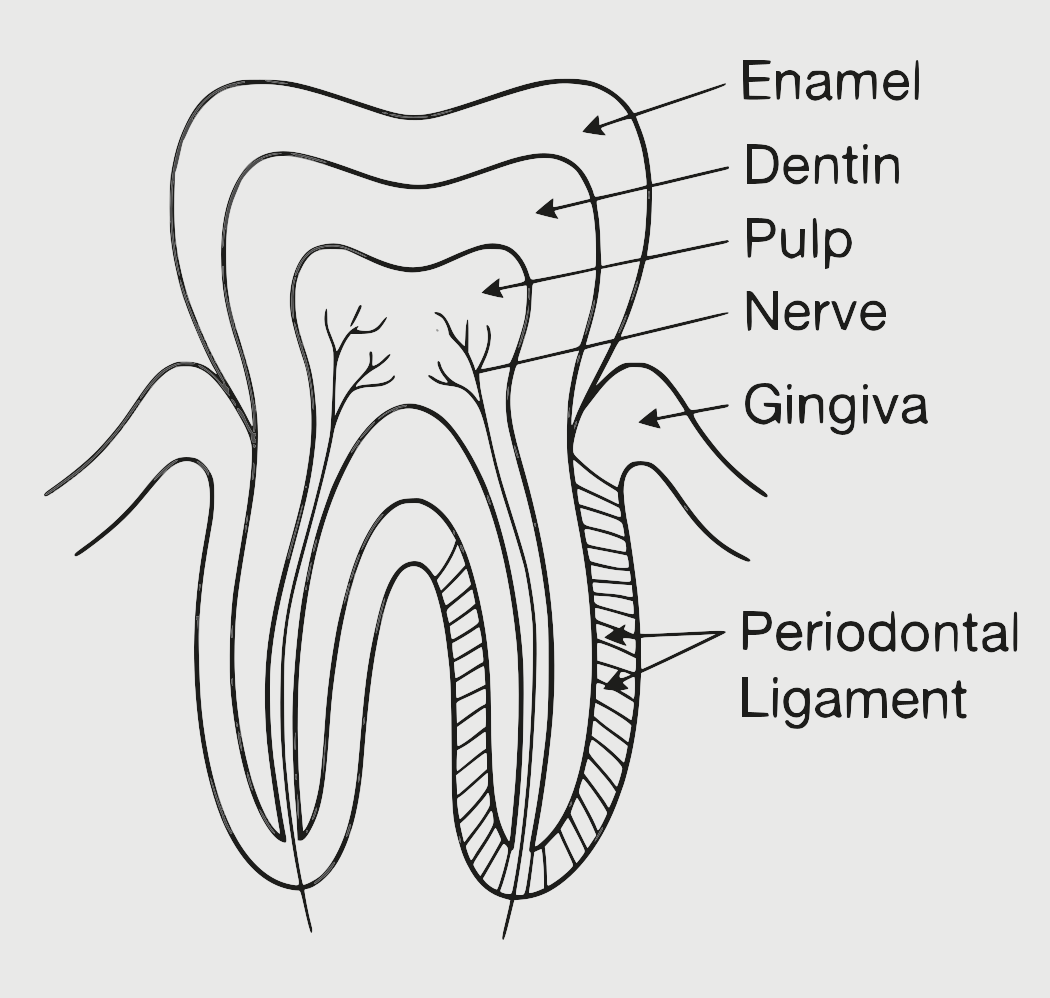
To understand why you need a root canal, you have to understand the anatomy of your tooth.
- Enamel: The hard, white outer layer.
- Dentin: The softer, yellow layer underneath.
- The Pulp: The center of the tooth containing nerves, blood vessels, and connective tissue.
When a tooth is healthy, the pulp keeps it alive and sensitive to temperature. However, once the tooth is fully grown, it can actually survive without the pulp because the outer calcified “tooth” does not need to be alive or “vital” to continue to function. This is why we can remove the infected nerve and still "save" the tooth.
Not All Teeth Are the Same
You might be surprised to learn that teeth have different "plumbing" systems depending on where they are in your mouth.
- Front Teeth (Incisors & Canines): These typically have one single root and one canal. They are generally straighter and easier to treat.
- Premolars: These are the teeth halfway back. They can have one or two roots.
- Molars: These are the large chewing teeth in the very back. They are complex, usually having two or t hree roots and often three to four separate canals. Because they have more canals to clean and shape, molar root canals take more time and precision to complete.
Why Do I Need a Root Canal?
Root canal treatment becomes necessary when the pulp becomes inflamed, fractured, or infected. There are three main ways this happens:
- Deep Decay: "Cavities" are actually bacteria eating through your tooth. If they dig deep enough to touch the nerve, they infect the pulp.
- Trauma: A blow to the mouth (like a sports injury) or trauma from years of chewing, clinching, and grinding can sever the nerve supply at the tip of the root, causing the nerve to die silently over time.
- Restorative History: A tooth that has had many fillings or crowns over the years may eventually become stressed and the nerve may die.
The Warning Signs
- Severe Pain: Throbbing pain while chewing, applying pressure or wakes you up at night.
- Lingering Sensitivity: Pain from hot or cold foods that lasts for minutes or longer after you swallow.
- Swelling: Tenderness in the gums or swelling in your cheek/face.
- The "Pimple": A small bump on the gums (called a fistula) that may release pus or have a bad taste.
- Darkening: The tooth turning gray or dark yellow.
The Hidden Danger: What is a Lesion?
Sometimes, a patient will say, "But it doesn't hurt, why do I need to fix it?" This is one of the most dangerous misconceptions in dentistry.
When a tooth nerve dies, the bacteria inside the canal travel down to the very tip of the root and spill out into your jawbone. Your body’s immune system rushes to that spot to fight the bacteria. This battleground results in the destruction of bone, creating a hole at the end of the root.
On an X-ray, this looks like a dark circle or shadow at the tip of the root. We call this a Periapical Lesion (or abscess) due to bone loss from infection.
Why You Cannot Ignore a Lesion
Even if you don't feel pain, that lesion is an active infection that is eating away your jawbone. If left untreated, the consequences can be serious:
- Damage to Neighboring Teeth: As the lesion grows, it consumes more bone. It can grow large enough to undercut the healthy teeth next to it, damaging their roots and blood supply. We have seen cases where one bad tooth caused a patient to lose three teeth because the infection spread sideways.
- The "Silent" Cyst: Over time, these lesions can turn into cysts (fluid-filled sacs). These can grow quite large and weaken the jaw, sometimes requiring surgery to remove.
- Systemic Health Risks: Your mouth is connected to the rest of your body. An untreated abscess is a reservoir of bacteria that can spread to your neck, face, and even your bloodstream. In severe cases, this can lead to life-threatening swelling that blocks the airway.
Treating the root canal stops the infection at the source. Once the bacteria are removed and the tooth is sealed, your body can finally heal the lesion, and the bone will often grow back.
The Procedure: What to Expect
Many patients are surprised to learn that getting a root canal today feels very similar to getting a routine filling—it just takes a little longer. It can take multiple appointments depending on how the tooth behaves.
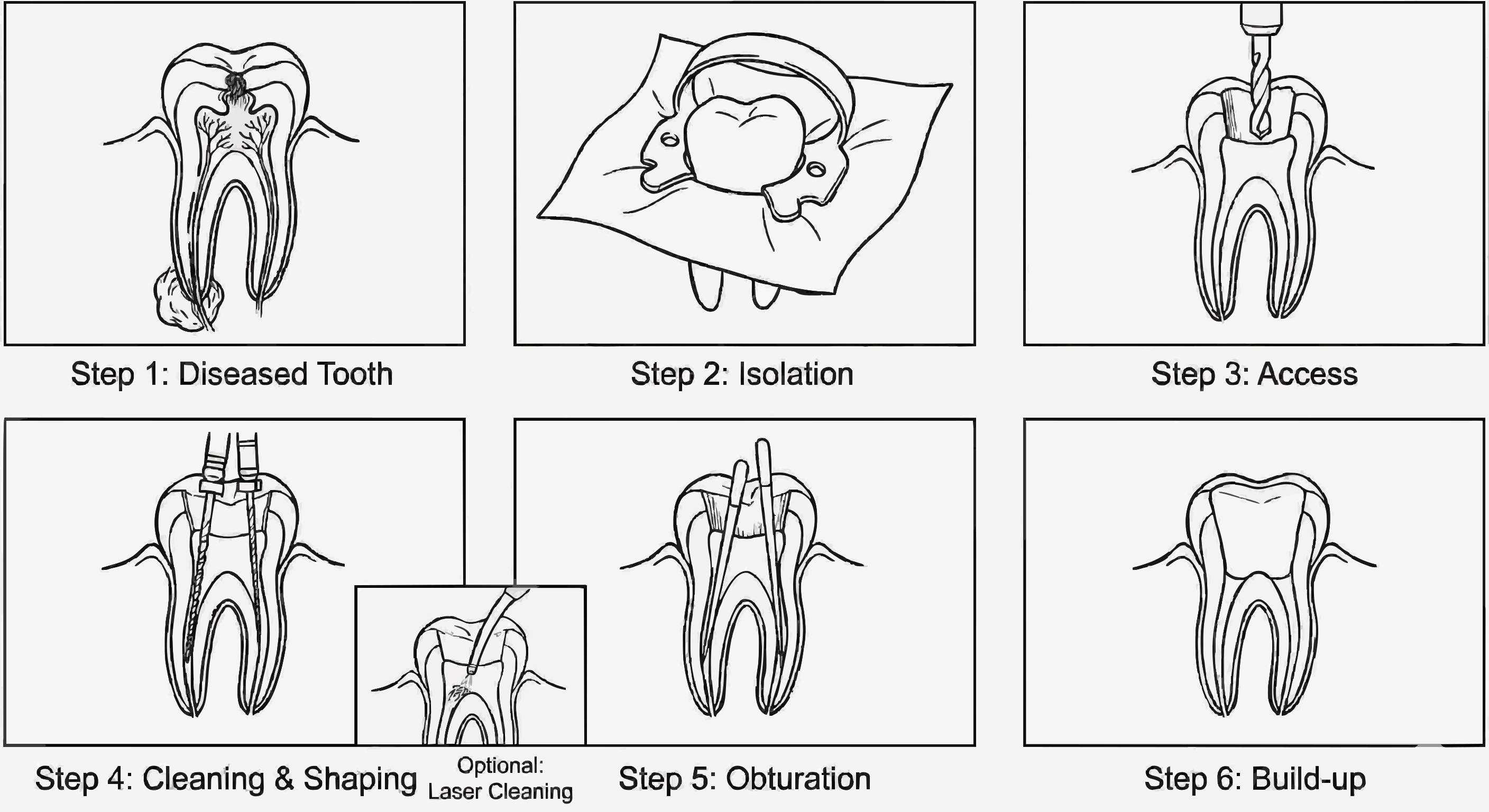
Step 1: Diagnosis and Comfort
We start with digital X-rays to see the shape of your roots and the size of any lesions. We might need to prescribe an antibiotic first to calm down the infection. We then use a topical and a local anesthetic to completely numb the tooth and the surrounding gums. You should not feel pain during this procedure.
Step 2: Isolation
We place a small protective sheet called a rubber dam around the tooth. This is a critical step. It keeps the tooth clean and dry, preventing saliva (which is full of bacteria) from getting into the canals while we work.
Step 3: Access
Using a specialized handpiece, we make a small opening in the biting surface of the tooth (crown) to access the pulp chamber.
Step 4: Cleaning and Shaping
This is the most important part. We remove the dead nerve and infected tissue. Using tiny, flexible instruments (files), we clean the inside of the roots and shape them into smooth tunnels.
Option: Laser Disinfection
At Blue Ridge Family Dentistry, we offer an advanced Laser Disinfection option for our root canal patients.
Think of your tooth root like a cave system. While standard tools clean the "main cave," bacteria can sometimes hide in tiny microscopic side tunnels where metal tools cannot reach. This treatment is not generally covered by insurance, but is frequently recommended.
- How it works: We insert a specialized laser tip into the canal. The laser energy activates the cleaning solution, creating "shockwaves" that travel deep into the microscopic pores of the tooth.
- The Benefit: This process can eliminate 99.9% of bacteria, including those hiding deep in the tooth structure. This ensures the cleanest possible environment and may increase the long-term success rate of your treatment.
Step 5: Filling (Obturation)
Once the canals are sterile, we fill them with a biocompatible, rubber-like material called gutta-percha. We use an adhesive cement to seal the canals completely to ensure bacteria cannot re-enter.
Step 6: The Build-Up
We close the access hole with a filling like material frequently in preparation for a crown and serve to seal the canal from bacterial exposure.
Vital Pulp Therapy: A Conservative Alternative
Sometimes, if we catch the problem early enough, we can save the nerve instead of removing it. This is often an option when the nerve is exposed due to a shallow fracture or during cavity removal in a young, healthy tooth.
This can be done two ways:
- We use a specialized bioactive material called MTA (Mineral Trioxide Aggregate).
- How it works: We place MTA directly over the small nerve exposure. MTA is unique because it stimulates the tooth to heal itself and build a "bridge" of hard tissue over the nerve, called calcification.
- The Goal: To keep the tooth alive and avoid a full root canal.
- The Risk: Success rate is challenging, in children this approach works about half the time, in adults it frequently is not successful. A risk the nerve may not heal and will eventually require full root canal treatment (RCT) in the future.
- Another specialized material that we use is Silver Diamine Fluoride (SDF).
- How it works: We leave a small amount of decay directly over the nerve and treat it with SDF material which recalcify that layer. We then seal the site with a filling like material and give the body some time to react. The nerve will pull away from the calcification material and the nerve chamber will continue to calcify. At a later date, the SDF material and remaining decay are excavated after the canal has fully calcified.
- The Goal: To keep the tooth and avoid a full root canal.
- The Risk: The procedure is relatively successful but it's not a known option until all decay is removed. If the decay has gone fully into the nerve chamber then a full root canal treatment (RCT) will be required.
Phase 2: Restoring the Tooth (The Crown)
Completing the root canal is only half the battle. You must restore the tooth properly, or the root canal will fail.
Once the nerve and blood supply are removed, the tooth becomes brittle. It no longer has hydration from the inside, making it like a dry stick compared to a green branch. If you bite down hard on a back tooth that has had a root canal but no crown, it is very likely to crack or split in half.
- The Crown: For most back teeth (molars and premolars), we recommend a full coverage dental crown (cap). This acts like a helmet, holding the tooth together and absorbing the force of chewing.
- The Post: If the tooth is severely broken down, we may insert a small post inside one of the roots to help anchor the crown.
Success Rates and Safety
Root canal treatment is highly successful, with success rates often exceeding 80-95% with the tooth lasting 5+ years after final restoration. And a treated tooth can last a lifetime with proper care.
Why do they sometimes fail?
- Cracked Crown: If your filling or crown leaks, new bacteria can get down into the sealed canals and cause a new infection.
- Undetected Canals: Teeth often have hidden or curved canals that are difficult to find.
- Root Fracture: A vertical crack in the root itself typically means the tooth must be extracted.
- Re-Infected: Bacteria infection can re-emerge into the canal or new decay can further infect the tooth.
- Hygiene & Restoration: Not maintaining a rigorous hygiene regimen or not fully restoring promptly after RCT frequently results in bacteria reentering the canal space.
Alternatives to Root Canal Treatment
We always advocate for saving natural teeth whenever possible. Nothing looks, feels, or functions exactly like your natural tooth. However, if a tooth cannot be saved, the only alternative is Extraction and looking into replacement options.
If we pull the tooth, you must replace it to prevent your other teeth from shifting and your jawbone from shrinking. Your replacement options include:
- Dental Implant: The gold standard for replacement. A titanium screw replaces the root. (See our Guide to Implants).
- Fixed Bridge: Grinding down the adjacent teeth to "bridge" the gap.
- Partial Denture: A removable appliance.
Nervous About Treatment
If you are experiencing pain and/or nervous about the root canal therapy (RCT), it's understandable. And a few different treatment options before the procedure might help, including:
- Pain: Antibiotics can provide a temporary “calm” before treatment. This is not a permanent solution but it can provide a week or two of relief, giving us an effective treatment window.
- Nervous: A pre-treatment medication can be used to alleviate the stress and nervousness around treatment. Taken an hour before treatment it can greatly ease discomfort. Note you will not be able to operate machinery, like a car, for the rest of the day.
- Nervous: Laughing gas has long been a treatment for nervous patients. Recent delivery and safety improvements have strengthened the effects vs years past. It's also quickly reversible allowing you to go about your day without disruption.
Cost and Financing Options
We understand that unexpected dental work can be a financial strain. At Blue Ridge Family Dentistry, we are transparent about costs.
Insurance
Most dental insurance plans cover between 50% and 80% of endodontic treatment. Our team will verify your benefits and file the claims for you.
CareCredit: 24 Months Same-as-Cash
We believe finances shouldn't force you to choose between saving a tooth and losing it. We partner with CareCredit to offer flexible payment plans.
- 0% Interest: Qualified patients can spread the cost over 24 months with no interest.
- Immediate Approval: You can apply in our office or on your phone and get approved instantly.
Frequently Asked Questions
Q: Is a root canal painful?
A: With modern anesthesia, the procedure is about as comfortable as getting a filling. Most patients feel relief after the procedure because we have removed the infected nerve that was causing the pain.
Q: Will I be sore afterwards?
A: Your tooth may feel sensitive for a few days, especially if there was an infection before the procedure. This is usually essentially managed with over-the-counter medication like Ibuprofen (Advil) or Acetaminophen (Tylenol).
Q: Can I go back to work the same day?
A: Yes. You will be numb for a few hours, but most patients return to their normal routine immediately.
Q: Why is a root canal more expensive than an extraction?
A: Saving a tooth is a complex biological procedure. While an extraction is cheaper upfront, replacing the tooth (with an implant or bridge) is significantly more expensive than the root canal would have been.
Save Your Tooth Today
If you are experiencing tooth pain, heat sensitivity, or swelling, do not wait. Infections do not heal on their own.
Contact Blue Ridge Family Dentistry to schedule an exam. Let us help get you out of pain and back to smiling.
- Location: Maryville, Tennessee
- Website: blueridge.dentist